The Westminster Desk | Record Check
The killing of Ann Widdecombe has produced three days of competing claims, including a dispute about the private words of the Prime Minister. Because a man is under arrest, proceedings are active and reporting restrictions matter. This piece separates what is on the public record from what is being claimed, and readers will notice it contains no speculation about the man in custody or the evidence. That is deliberate.
What the record shows
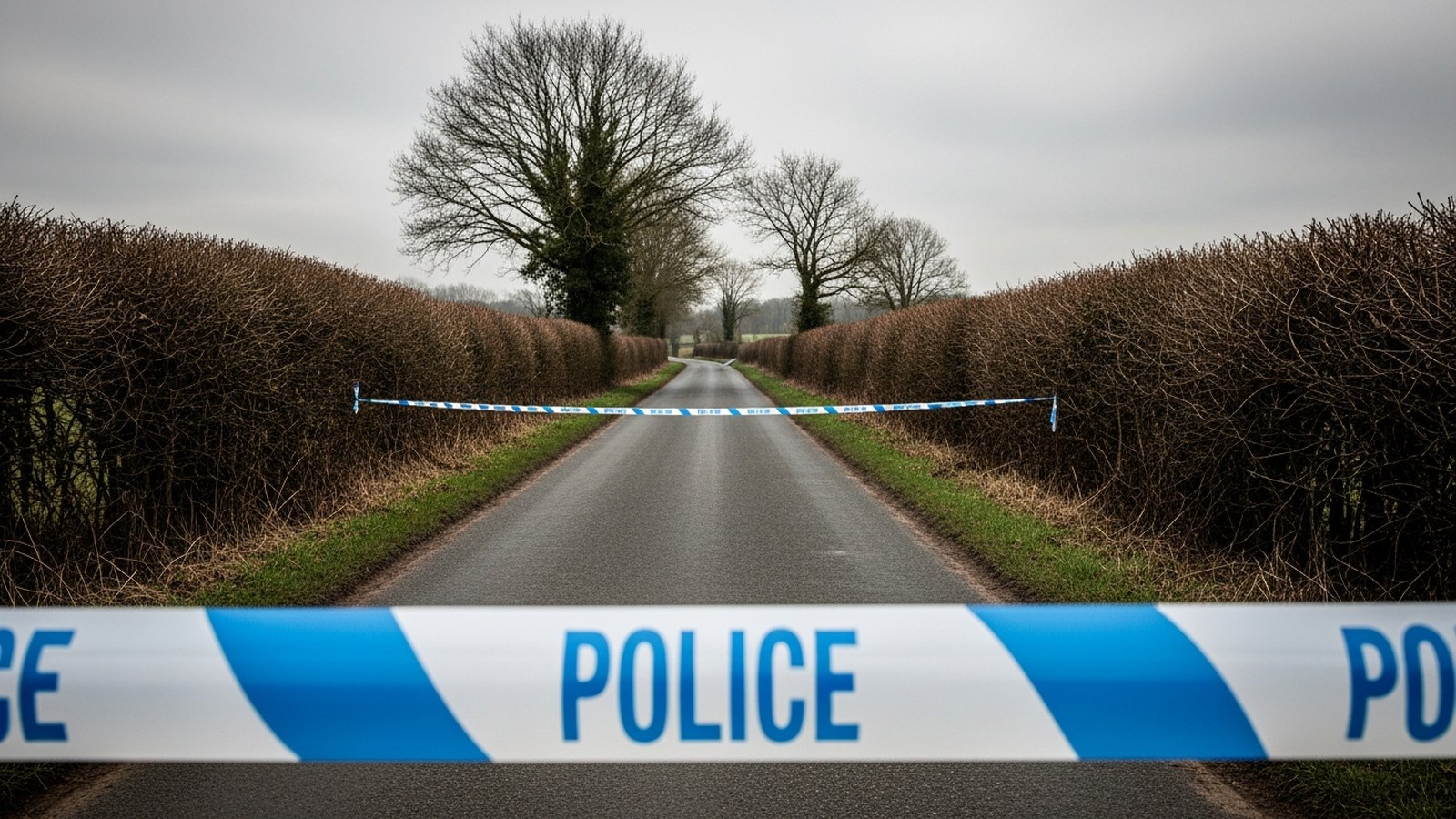
Ann Widdecombe was found dead at her home near Haytor, Devon, on Thursday, with her death announced on Friday. Devon and Cornwall Police have said they believe she was attacked at about 12:30pm on Wednesday, roughly 24 hours before she was found, after concerns were raised when she missed a scheduled television interview.
Two arrests followed. A 26-year-old man arrested on Friday a few miles from the scene was released, with police saying he was no longer under investigation. On Saturday, a 28-year-old man was arrested in South Yorkshire, about 200 miles away, on suspicion of murder. Counter-terrorism officers supported that arrest, and by Monday were reported to be leading the investigation; police said at the time of the arrest that there was no information to suggest the incident was terrorism-related. Subsequently, Counter Terrorism Policing South East took over leadership of the investigation, saying new information and evidence had come to light; under terrorism legislation the man arrested can be held for up to two weeks for questioning. Separately, Police Scotland charged a woman over an online post made after the death; police stressed that charge is unconnected to the murder investigation. Those are the confirmed public facts. At the desk's last check, no charge had been announced and no motive had been established publicly.
What is claimed
Nigel Farage says the Prime Minister telephoned him personally and described the killing as "a burglary that's gone wrong." Mr Farage has publicly rejected that characterisation, arguing that "a burglar does not park his car on your drive and walk into the house," and saying he has no doubt the killing was premeditated. Separately, it has been reported that investigators are examining whether figures linked to Reform UK were targeted; the police have not publicly confirmed any such line of inquiry. The desk found no public response from Number 10 to Mr Farage's account of the call at the time of writing.
The difference
A private characterisation by the Prime Minister, made public by its recipient, now sits alongside an investigation led by counter-terrorism officers. The move to counter-terrorism leadership is a fact; what it means is not yet public. A burglary theory and a premeditation theory are, at present, both words rather than findings. The only body that can settle the question is the investigation, and, if a charge follows, a court.
Two things can be true at once: the public interest in a politician's account of a prime-ministerial phone call is real, and the temptation to treat any theory as established fact, three days into an active murder investigation, should be resisted, including by the people running for office while doing it.
What to watch: a charging decision, any police statement on motive, and whether Number 10 confirms, disputes or declines to address Mr Farage's account of the call.
Updated 17 July (2): added the counter-terrorism leadership statement, the detention window, and an unconnected charge over an online post. Earlier update: added the release of the first arrestee, the police timing of the attack, and the police statement that there was no information to suggest a terrorism-related incident. Nothing previously stated required correction.